


The Sweetest Journey Through Time: 7 of the World's Oldest Desserts
From Ancient Egypt to Greece, China and the Maya civilization – discover the fascinating origins of the world's sweetest treats.
Today, when we think of desserts, we imagine delicate French pastries, rich chocolate cakes, creamy cheesecakes and beautifully decorated creations. But have you ever wondered what people enjoyed as a sweet treat thousands of years ago?
Long before modern bakeries, refined sugar and elaborate pastry techniques, ancient civilizations had already discovered the pleasure of something sweet.
Honey, dates, nuts, fruits, grains and even ice were transformed into delicious treats. Some were reserved for special occasions, others were offered to the gods, and a few became the distant ancestors of desserts we still enjoy today.
Let's travel back in time and discover seven fascinating chapters in the history of sweets.

1. Ancient Egyptian Sweets – Sweetness from Honey and Dates
One of the earliest documented sweet-making traditions
Ancient Egyptians had a remarkable appreciation for sweet foods. Long before refined sugar became widely available, honey was one of their most valued sweeteners.
They combined honey with dates, figs, nuts and grains to create nourishing sweet preparations. One particularly interesting ingredient was the tiger nut, a small, naturally sweet tuber that was used in ancient Egyptian food.
One of the most fascinating discoveries comes from the tomb of Rekhmire, a high-ranking official who lived during Egypt's 18th Dynasty, around 1400 BCE. The tomb's wall paintings depict people preparing cakes made with tiger nuts.
Although the exact recipe remains open to interpretation, these ancient illustrations give us a remarkable glimpse into Egyptian baking traditions.
Sweet preparations were not simply everyday treats. They could also have religious and ceremonial significance.
Did you know?
Tiger nuts are not actually nuts! They are small edible tubers with a naturally sweet, slightly nutty flavour. They were highly valued in ancient Egypt and were used in different food preparations.
Imagine tasting a sweet treat made with ingredients that were already enjoyed more than 3,000 years ago!

2. Ancient Chinese Frozen Desserts – The Early Ancestors of Ice Cream
A refreshing idea centuries before modern refrigeration
Today, ice cream is one of the world's most beloved desserts. But the idea of enjoying something cold and sweet is much older than the invention of the modern freezer.
Ancient China is often mentioned in the history of frozen desserts. During the Tang Dynasty (618–907 CE), historical accounts describe frozen milk-based preparations enjoyed at the imperial court.
These early creations were very different from the creamy ice cream we know today. They were made using ingredients and freezing techniques available at the time.
The history of frozen desserts is not limited to China. Different ancient civilizations discovered ways to cool drinks and sweet preparations using snow and ice collected from mountains and stored in specially designed structures.
Over centuries, these techniques evolved into the fascinating world of sorbets, sherbets and eventually modern ice cream.
Did you know?
Before refrigerators existed, people used specially constructed ice houses to store snow and ice. This allowed wealthy households to enjoy chilled refreshments even during warmer months.
It is amazing to think that our love for ice cream has such a long and fascinating history!

3. Persian Sharbat – The Ancient Art of Refreshment
A sweet drink that helped inspire modern sorbets
The word sharbat has a fascinating history rooted in Persian and Arabic culinary traditions.
Sharbat was traditionally prepared using fruit juices, flowers, herbs, sugar or honey, and water. Popular flavours included rose, pomegranate, lemon and cherry.
In warmer regions, these refreshing drinks could be cooled with snow or ice brought down from the mountains and carefully stored for later use.
Sharbat became an important part of Persian hospitality and culinary culture. Over time, the tradition travelled through trade routes and cultural exchanges, influencing the development of sweet drinks and frozen desserts in other parts of the world.
Its history reminds us that desserts do not always have to be eaten with a spoon or served on a plate. Sometimes, sweetness comes in a beautiful glass.
Did you know?
Rose water has been an important ingredient in Persian culinary traditions for centuries. Its delicate floral aroma is still used in desserts and drinks throughout the Middle East and beyond.
Even today, a glass of chilled rose sharbat feels like a little taste of history.

4. Ancient Greek Cheesecake – A Dessert Fit for Athletes
One of the earliest ancestors of modern cheesecake
Cheesecake may seem like a thoroughly modern indulgence, but its roots go back to ancient Greece.
The Greeks prepared simple cakes using cheese, flour and honey. One ancient preparation was known as plakous, a sweet cheese-based cake.
Historical accounts connect cheese-based cakes with athletic celebrations. Cheese cakes were reportedly served to athletes during the ancient Olympic Games, traditionally dated to 776 BCE.
Of course, ancient Greek cheesecake was very different from today's New York cheesecake or the delicate baked cheesecakes found in European pâtisseries.
There were no cream cheese blocks, biscuit bases or elaborate toppings. Instead, the combination of fresh cheese, honey and flour created a simple but satisfying sweet dish.
Did you know?
The Romans later adopted and adapted Greek cheese-based cakes, helping spread these early cheesecake traditions throughout their world.
From ancient Greece to modern cafés, cheesecake has certainly stood the test of time!

5. Roman Libum – A Sweet Tradition from Ancient Rome
A recipe that survived for more than two thousand years
One of the most fascinating things about ancient Roman cooking is that some recipes have survived in written form.
Among them is libum, a simple cheese-based cake described in the agricultural writings of Marcus Porcius Cato, known as Cato the Elder.
The recipe combined fresh cheese, flour and an egg. The mixture was shaped into a small cake, placed on leaves and baked slowly under a covered clay vessel.
Libum was associated with religious offerings and ceremonial occasions, making it more than just an ordinary food preparation.
Honey was an important sweetener in ancient Rome and was used in different versions of cheese-based cakes. However, Cato's original libum recipe does not actually list honey as an ingredient.
Another Roman preparation, called savillum, was a sweeter cheese cake made with honey and finished with poppy seeds.
What makes these recipes particularly special is that they allow us to recreate flavours from the ancient Roman world using ingredients that are still available today.
Did you know?
Cato's De Agri Cultura is one of the oldest surviving works of Latin prose. Its recipes offer us a rare glimpse into everyday Roman food and culinary traditions.
Imagine tasting a cake inspired by a recipe written more than two thousand years ago!
6. Ancient Indian Sweets – The Discovery of Sugar
The beginning of a sweet revolution
India played a crucial role in the history of sugar.
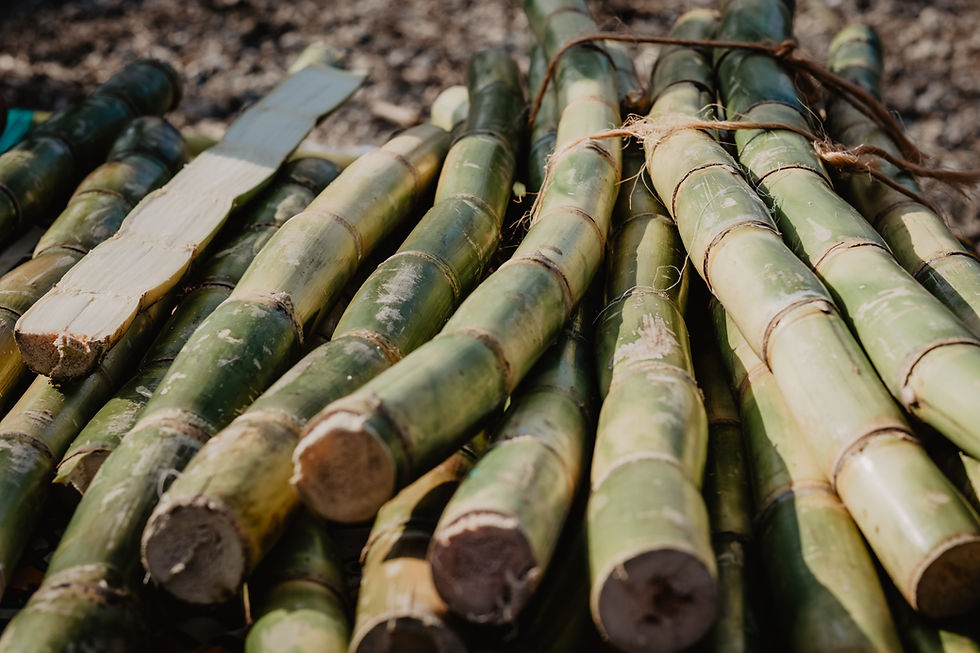
Sugarcane had been cultivated in the region for centuries, and Indian communities developed techniques for extracting and processing its sweet juice.
Over time, methods of producing crystallised sugar emerged, changing the way people could prepare and preserve sweet foods.
Before refined sugar became widely available around the world, honey and fruit were the main sources of sweetness in many ancient societies.
The development of sugar production transformed confectionery, making it possible to create new kinds of sweets, candies and desserts.
Indian culinary traditions also developed a remarkable variety of sweet preparations using sugarcane products, milk, grains, nuts and spices.
Did you know?
The English word sugar ultimately traces its origins through several languages to the Sanskrit word sharkara, referring to crystallised sugar.
It is difficult to imagine modern pastry-making without this ancient contribution.
Every chocolate cake, caramel sauce, delicate pastry and sweet confection owes something to the long history of sugar.

7. Ancient Mayan Chocolate – The Beginning of Our Chocolate Obsession
Long before chocolate bars, there was a bitter and precious drink
Today, chocolate is everywhere: in cakes, cookies, truffles, mousses and countless other desserts.
But its history began very differently.
The ancient civilizations of Mesoamerica, including the Maya, valued cacao and used it to prepare a special drink.
Cacao beans were fermented, dried, roasted and ground into a paste. This was mixed with water and sometimes flavoured with spices, flowers or other ingredients.
Unlike the sweet hot chocolate we enjoy today, these ancient cacao drinks were often bitter, rich and sometimes frothy.
Cacao was also culturally and symbolically important. It was associated with ceremonies, social status, trade and special occasions.
Archaeological evidence from the Maya region suggests that cacao drinks were consumed as early as around 600 BCE.
Did you know?
Chocolate as we know it today is the result of centuries of transformation. The addition of sugar and the development of new processing techniques eventually turned cacao into the sweet confectionery ingredient we love.
The next time you enjoy a chocolate cake, remember that its story began thousands of years ago with a very different kind of chocolate experience.
From Ancient Honey Cakes to Modern Pâtisserie
Looking back at these ancient sweets, one thing becomes clear: the human love of desserts is nothing new.
Thousands of years ago, people were already experimenting with ingredients, textures, aromas and ways of creating something special.
Honey and dates became the foundations of countless sweet preparations. Cheese and flour evolved into cakes. Frozen mixtures inspired new ways of enjoying cold desserts. Sugar transformed confectionery, while cacao eventually became one of the most important ingredients in the world of pastry.
Today, pastry chefs continue this tradition, combining science, creativity, craftsmanship and imagination to create desserts that are not only delicious but also beautiful works of art.
At Sweets & Florals Sisters, we love that connection between history, tradition and creativity.
Because every dessert has a story – and sometimes, that story is thousands of years old.
What's your favourite sweet treat from history? Would you try an ancient Egyptian tiger nut cake, a traditional Persian rose sharbat or an ancient Roman cheese cake?
We would love to hear your thoughts!
Sweet moments, beautiful memories.
Sweets & Florals Sisters


Comments