


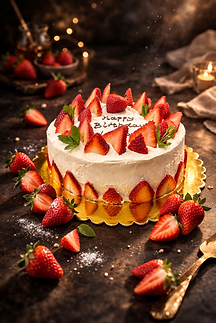
The Wonderful World of Meringue: From Classic Pavlova to Dacquoise

Discover the fascinating story of Pavlova, explore the different styles of meringue desserts and find out how a simple combination of egg whites and sugar can become something truly extraordinary.
There is something almost magical about meringue. Made from just a few simple ingredients, it can become a delicate, crisp shell, a soft and cloud-like dessert, an elegant layered cake or the centrepiece of a beautiful celebration.
For many people, the first association with meringue is a classic Pavlova: a crisp exterior, a soft marshmallow-like centre, silky cream and fresh fruit. But the world of meringue is much bigger than that.
From French pâtisserie classics to delicate Dacquoise and beautifully decorated Pavlovas, these desserts demonstrate just how versatile and elegant meringue can be.
At Sweets & Florals Sisters, Pavlova holds a particularly special place in our dessert collection. We love exploring different flavour combinations and creating new interpretations of this timeless favourite.
But first, let's discover where it all began.

1. The Story of Pavlova: A Dessert Named After a Ballerina
Few desserts have a name as graceful as Pavlova.
The dessert is named after Anna Pavlova, the celebrated Russian ballerina who became an international sensation in the early twentieth century. Famous for her extraordinary lightness and elegance on stage, she toured Australia and New Zealand in 1926.
It is widely believed that the dessert was created in her honour, with its delicate appearance said to reflect the lightness of her dancing.
There is, however, one detail that makes the story even more interesting: Australia and New Zealand have been debating the origins of Pavlova for decades.
Both countries claim a connection to its creation. Historical research has identified early recipes in New Zealand publications, including a Pavlova-style meringue cake recipe from 1929. An Australian version was documented in 1935. The precise story of its invention remains a subject of historical discussion.
What is certain is that Pavlova became one of the most beloved desserts associated with both countries.
And it is easy to understand why. Its combination of delicate meringue, cream and fresh fruit creates a dessert that feels both luxurious and wonderfully light.

2. What Makes Pavlova Different from Ordinary Meringue?
At first glance, Pavlova might look like a large meringue. But the experience of eating one is quite different.
A traditional crisp meringue is generally crunchy throughout. Pavlova, on the other hand, is known for its contrast of textures.
The outside is delicate and crisp, while the centre remains soft, airy and marshmallow-like.
It is usually finished with whipped cream and fresh fruit, although contemporary versions can be much more adventurous.
Think of:
Fresh raspberries, strawberries and blueberries
Passion fruit and tropical fruits
Lemon cream and citrus zest
Pistachio and delicate floral notes
Chocolate, hazelnuts and caramel
Lavender, vanilla and aromatic tea
This contrast between sweetness, acidity, creaminess and crispness is what makes Pavlova such a special dessert.
It is also a wonderful canvas for creative flavour combinations.

3. Dacquoise: The Elegant French Relative of Meringue
Dacquoise is another beautiful example of what can be created with meringue.
Originating in French pastry tradition, Dacquoise is made from layers of nut-based meringue, traditionally incorporating ground almonds or hazelnuts. These layers are often combined with buttercream, praline cream, ganache or other fillings.
Unlike Pavlova, Dacquoise is not usually topped with a generous layer of whipped cream and fresh fruit. Instead, it is assembled into a layered dessert or cake.
Its texture is particularly interesting: slightly crisp on the outside, soft and delicate inside, with a distinctive nutty flavour.
Dacquoise is often used in sophisticated French-style cakes and entremets, where different layers and textures come together to create a more complex dessert.
If Pavlova is light, fresh and fruit-focused, Dacquoise is often richer, nuttier and more indulgent.
Both demonstrate how versatile meringue can be.

4. French, Swiss and Italian Meringue: Three Different Approaches
You may have heard of French, Swiss and Italian meringue. These are three classic methods of preparing meringue, rather than three separate desserts.
Although they use similar basic ingredients, the preparation method gives each a different character and makes it suitable for different applications.
French Meringue
This is the simplest and most familiar method. Egg whites are whipped while sugar is gradually added until the mixture becomes light, glossy and stable.
French meringue is commonly used for crisp meringue shells, kisses, delicate decorations and other baked desserts.
Swiss Meringue
Swiss meringue is prepared by gently heating egg whites and sugar together over a water bath before whipping them into a smooth, glossy mixture.
The result is silky, fine-textured and stable. It is often used in buttercreams, elegant cake decorations and other delicate pastry creations.
Italian Meringue
Italian meringue is made by pouring hot sugar syrup into whipping egg whites.
This creates a glossy, stable mixture that is particularly useful for buttercream, mousse preparations and decorative toppings. It is also commonly used on lemon meringue pies.
Each method has its own purpose, and none is simply a different name for Pavlova. Understanding the distinction helps explain why the word meringue can describe such a wide variety of sweet creations.

5. Beyond the Classics: The Many Faces of Meringue
Meringue appears in many beloved desserts around the world.
Eton Mess
A wonderfully relaxed British dessert combining crushed meringue, whipped cream and fresh strawberries. It is a beautiful example of how something simple can be incredibly delicious.
Vacherin
A classic French-style dessert featuring crisp meringue layers or shells, often combined with ice cream, cream and fruit. It can be presented as an elegant individual dessert or a larger celebration creation.
Lemon Meringue Pie
A combination of buttery pastry, tangy lemon filling and a generous topping of meringue. The contrast between sweet and sour is what makes this dessert so memorable.
Meringue Kisses
Small, delicate pieces of crisp meringue that can be enjoyed on their own or used as decorations for cakes, dessert tables and other sweet creations.
Dacquoise Cake
Layers of nutty meringue combined with rich creams and other fillings, creating a sophisticated dessert with a wonderful contrast of textures.
Each of these desserts has its own personality, but they all share the same beautiful starting point: the transformation of egg whites and sugar.

6. Pavlova Is a Canvas for Creativity
One of the reasons we love Pavlova so much is that it never has to be exactly the same.
The classic combination of cream and fresh berries is timeless, but there are endless ways to reinterpret this dessert.
A touch of citrus can bring freshness. Chocolate can add depth. Passion fruit creates a beautiful contrast with the sweetness of meringue. Pistachio introduces a delicate nutty note, while floral ingredients can give a dessert a completely different character.
One of our favourite flavour directions explores the more delicate, aromatic side of Pavlova.
Our Earl Grey, lavender and vanilla Pavlova brings together the gentle fragrance of Earl Grey tea, the floral character of lavender and the warmth of vanilla.
It is a more unexpected interpretation of the classic dessert — elegant, aromatic and beautifully balanced.
We love the idea that a dessert so familiar can still surprise people with something new.

7. Why Pavlova Is Perfect for Special Occasions
Pavlova is not just a dessert. It can become the visual centrepiece of a celebration.
Its delicate white meringue, generous cream and colourful fruit create a naturally beautiful presentation. It can be styled simply for an intimate gathering or transformed into a more elaborate centrepiece for a wedding, birthday or special event.
It also offers plenty of possibilities when it comes to size and presentation.
A large Pavlova can be shared around the table, while individual Pavlovas create an elegant plated dessert. Smaller meringue-based treats can also complement a larger dessert table.
And because the flavours can be adapted to the occasion, Pavlova offers something for people who enjoy both traditional desserts and more adventurous combinations.
It is a dessert that can be familiar and surprising at the same time.
A Little More Than Just Meringue
The wonderful world of meringue reminds us that some of the most beautiful desserts begin with the simplest ingredients.
From the romantic story of Pavlova and the elegance of French Dacquoise to the playful charm of Eton Mess, each dessert offers a different way to enjoy the delicate texture of meringue.
At Sweets & Florals Sisters, we have a special love for Pavlova. We enjoy exploring new flavours,
combining unexpected ingredients and creating variations that make this classic dessert feel fresh and exciting.
Whether you love the traditional combination of cream and berries or prefer something more distinctive, such as Earl Grey, lavender and vanilla, there is always another Pavlova flavour waiting to be discovered.
Because sometimes, the most extraordinary desserts begin with something wonderfully simple.


Comments